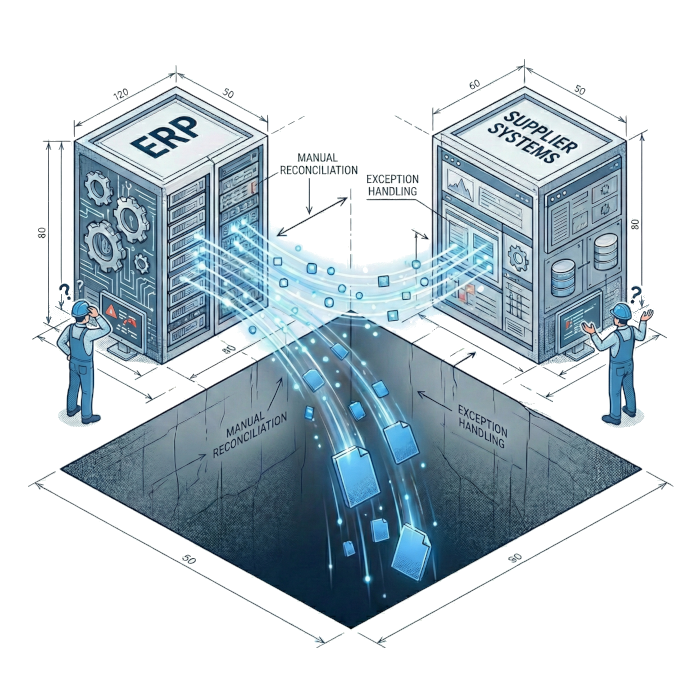
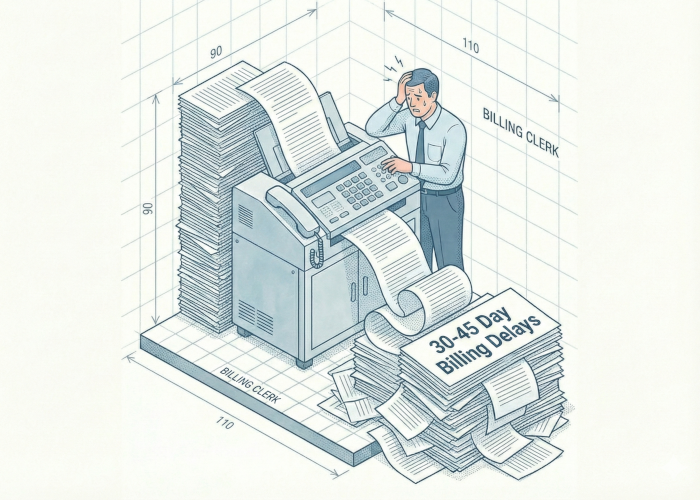
Every company runs on ERPs, TMS, WMS, supplier portals, spreadsheets, and email. When work crosses company boundaries, the shared state disappears — and your people become the integration layer.
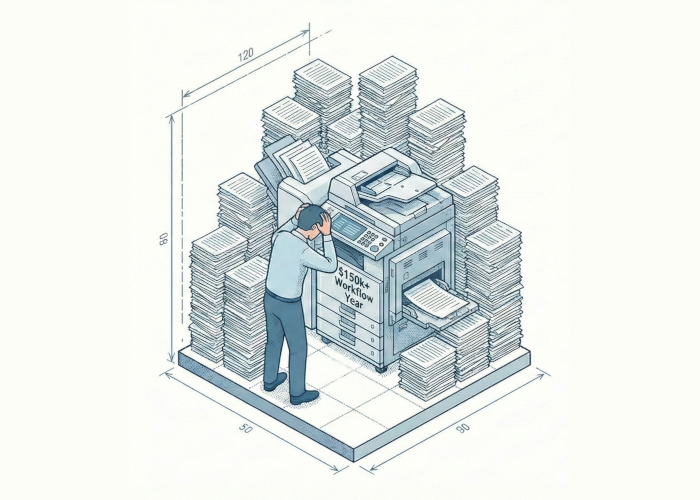
Start with one workflow where work breaks across company boundaries — invoices, forecasts, production schedules, exceptions, and partner handoffs.

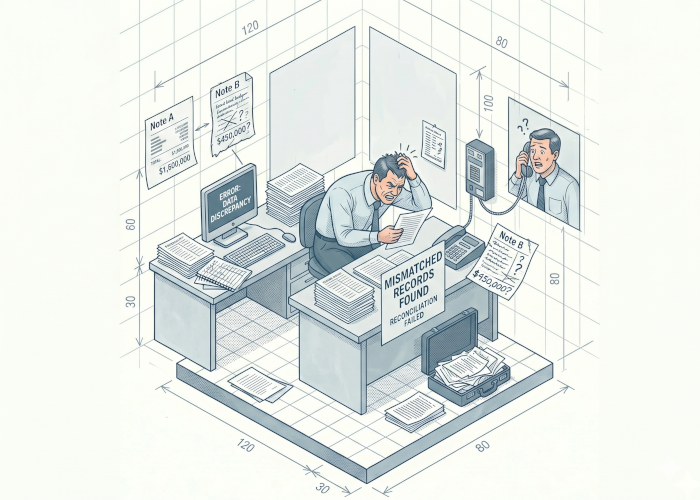
The Pain. POs, invoices, shipment records, accessorials, and service charges often do not match across buyer, supplier, 3PL, and finance systems. Teams spend hours chasing context through email, portals, spreadsheets, and calls.
The Solution. Summoner agents compare records across organizations, flag mismatches, request missing context, and coordinate resolution in a shared Space.
The Impact. Faster reconciliation, fewer disputes, cleaner audit trails, and less manual back-and-forth between finance, operations, and partners.
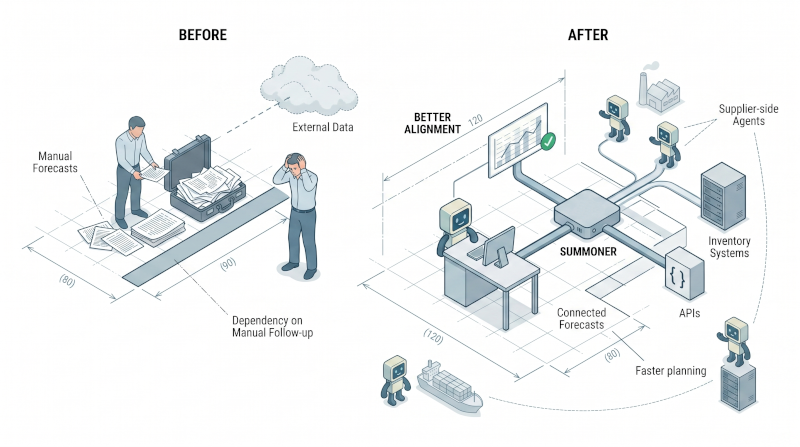
The Pain. Demand plans often miss real-time supplier inventory, production capacity, lead times, and timing constraints. Forecasts get built from stale spreadsheets instead of live partner context.
The Solution. Summoner connects planning agents with supplier-side agents, APIs, and inventory systems so forecasts can reflect current availability, capacity, and constraints.
The Impact. Better forecast alignment, fewer surprises, faster planning adjustments, and less dependency on manual supplier follow-up.

The Pain. Production schedules depend on outside inventory, partner capacity, material availability, and changing timelines. When one party changes, everyone else updates manually.
The Solution. Summoner agents monitor inventory, capacity, and production requirements across companies, then coordinate scheduling updates when conditions change.
The Impact. Fewer delays, better capacity utilization, faster schedule adjustments, and less manual coordination across partners and suppliers.

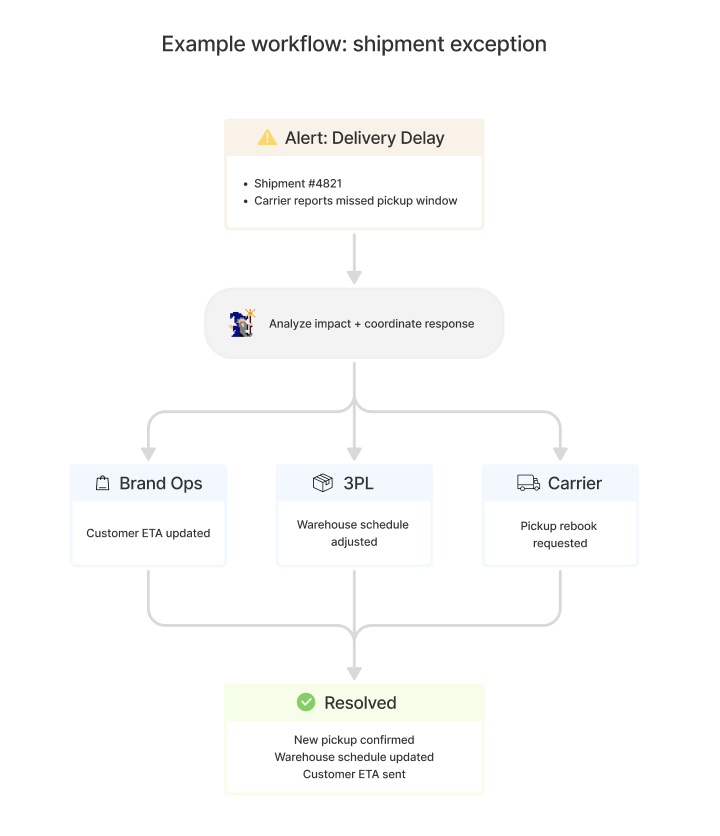
The Pain. Delays, shortages, order changes, pricing mismatches, missing documents, and approval gaps stall work across multiple organizations. Each party has partial context, so resolution takes days.
The Solution. Summoner agents gather context, identify the responsible party, route the issue, notify the right people, and keep the resolution trail visible.
The Impact. Shorter resolution cycles, fewer escalations, better partner visibility, and a complete record of how the issue was resolved.
Summoner connects agents, systems, and partners into shared Spaces where cross-company work can be coordinated, tracked, and resolved.

Summoner turns disconnected agents and systems into a shared coordination space across companies — with identity, shared context, and an audit trail built in.
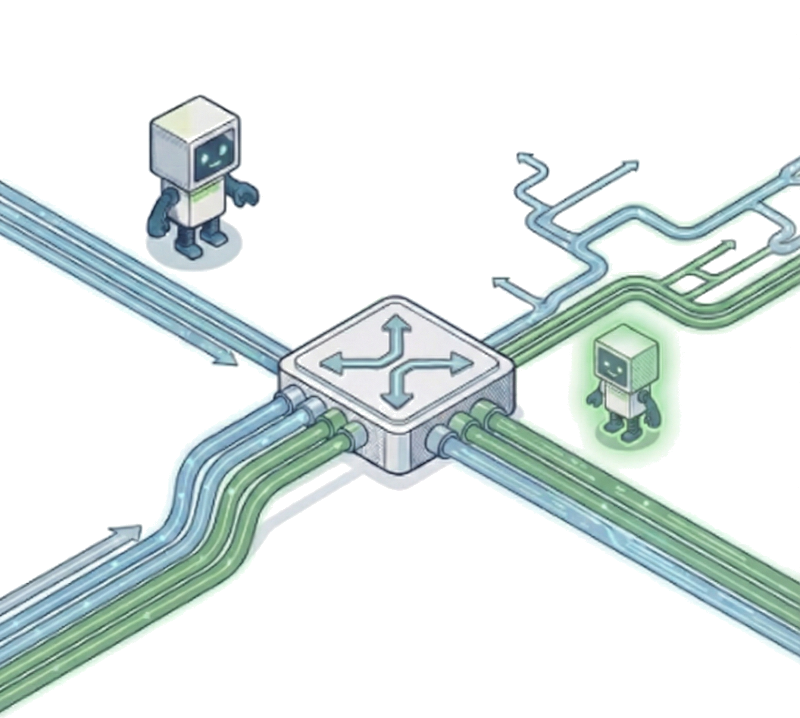
Bring internal agents, partner agents, and external systems into one shared workflow without forcing everyone onto the same platform.

Register agents, APIs, and partner systems without rebuilding each company’s stack.

Coordinate with suppliers, customers, and operators in one shared Space instead of chasing updates across email and portals.
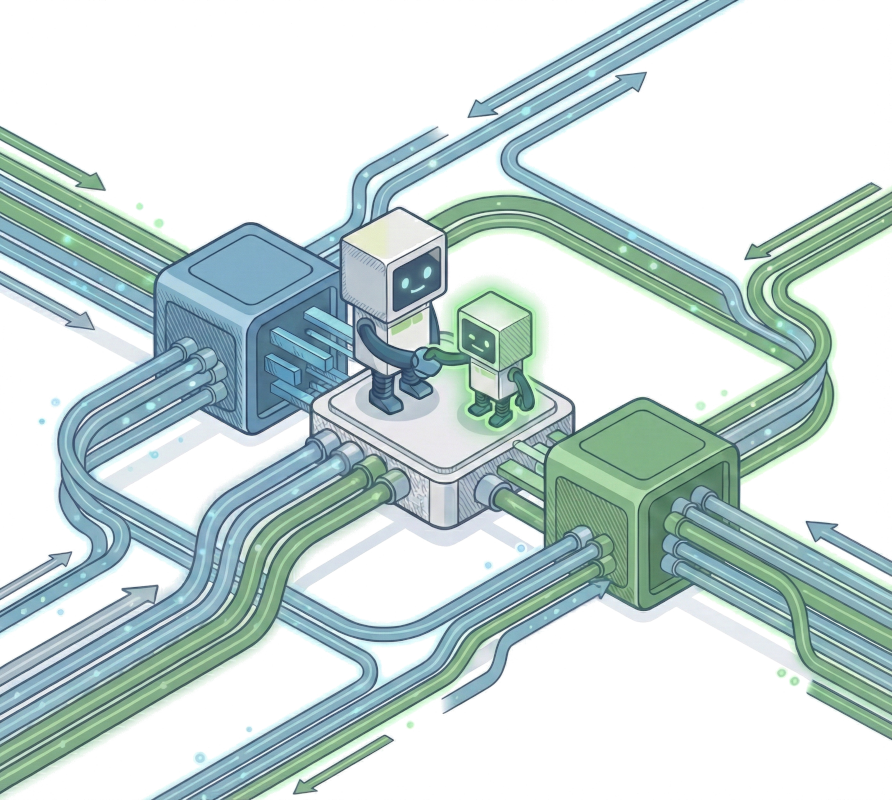
Agents exchange context, request missing information, and move work forward across company boundaries.

Compare invoices, POs, inventory, forecasts, and order data across systems so teams can identify discrepancies faster.

When something breaks, Summoner helps agents identify who needs to respond and keeps the resolution moving in the shared Space.
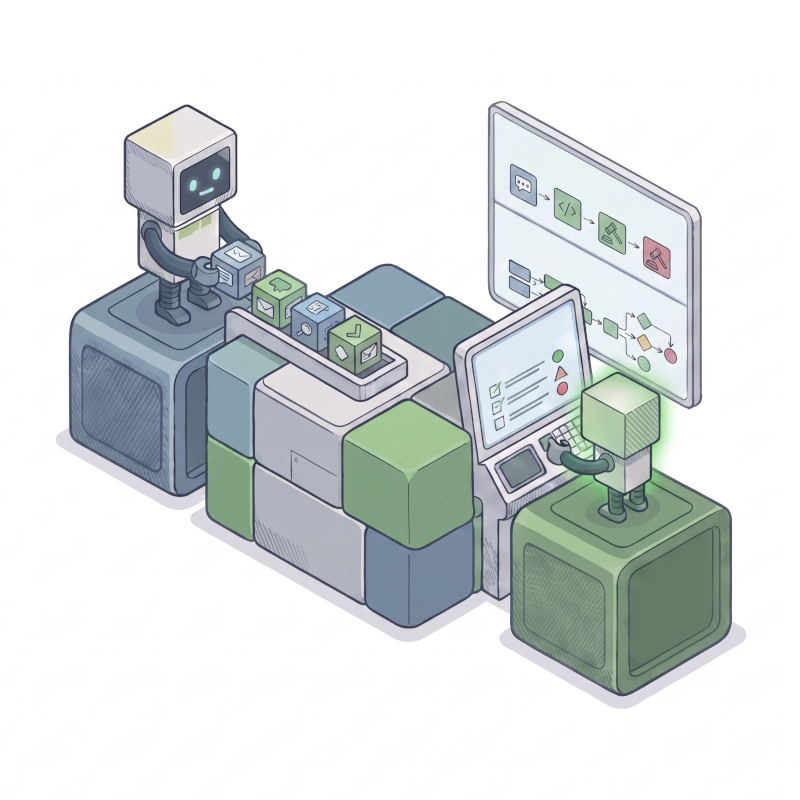
Every message, action, and decision is captured so teams can understand what happened, why it happened, and what still needs attention.

Keep a visible history of cross-company coordination across agents, systems, and teams.

Track the current status of work across partners so teams are not reconstructing context from emails, calls, and spreadsheets.
Summoner is starting with the workflows where coordination breaks most often: suppliers, logistics partners, manufacturers, operators, finance teams, and customers working across disconnected systems.

Coordinate shipment status, freight exceptions, delivery updates, accessorial charges, and invoice discrepancies across logistics partners.
Examples: freight quote readiness, shipment exception handling, invoice reconciliation.

Keep production schedules aligned with supplier inventory, capacity constraints, customer demand, and changing delivery timelines.
Examples: demand forecast coordination, supplier inventory sync, production scheduling.

Coordinate project timelines, approvals, production readiness, and material availability across external partners.
Examples: project handoffs, production scheduling, materials availability, partner updates.


Coordinates across systems like





Coordinates across systems like

Coordinates across systems like



Cross-company coordination has been a problem for decades. Existing tools solved integration inside the stack. Summoner solves the work that happens between organizations, agents, and partners.

Summoner doesn’t replace your EDI, iPaaS, or RPA. It coordinates the work they were never designed to handle: agents and workflows moving across organizational boundaries with identity, shared Spaces, and a visible coordination history.
No. EDI moves standardized transactions — POs, invoices, ASNs — and it does that job well. Summoner coordinates the decisions, exceptions, and follow-up around those transactions: the delayed shipment that needs rebooking, the invoice that doesn't match, the forecast change that has to reach three partners. EDI remains the transaction layer. Summoner becomes the coordination layer between companies, systems, and agents.
Summoner doesn't require you to replace or migrate your ERP, WMS, TMS, CRM, or planning systems. Agents connect to approved systems through the access patterns your team already supports — APIs, file drops, database connectors, EDI feeds, or existing workflow tools. Summoner coordinates work between agents and partners while your systems of record stay in place. That's why pilots start with one workflow instead of a full-stack transformation.
Access defaults to least privilege and is scoped by organization, Space, workflow, and partner. Each company controls what its agents can see and what context they're allowed to share. Sharing inventory availability in one Space doesn't expose the underlying system, and doesn't make that data available to any other partner. Every agent is verified, and every interaction is logged to an audit trail — so you can always answer who saw what, and when.
Pilots are designed to produce useful workflow proof in weeks, not quarters, because there's no system migration — the work is connecting agents to workflows you already run. We start with one high-friction cross-company workflow, connect the relevant agents and systems, and run it in a shared Space alongside your current process. Scope stays narrow on purpose, so teams can validate value, permissions, partner participation, and ROI before expanding.
Less than you'd expect. Partners don't need to migrate systems or adopt a new operating stack — they start with a lightweight connection into a shared Space: an agent endpoint, an approved integration, or a workflow inbox that receives the context relevant to them. Participation can begin with visibility and human approval, then expand into more active automation as trust grows.
We work with select design partners to map, deploy, and measure high-friction coordination workflows across suppliers, partners, customers, and internal teams.
We work with select design partners to map, deploy, and measure high-friction coordination workflows across suppliers, partners, customers, and internal teams.